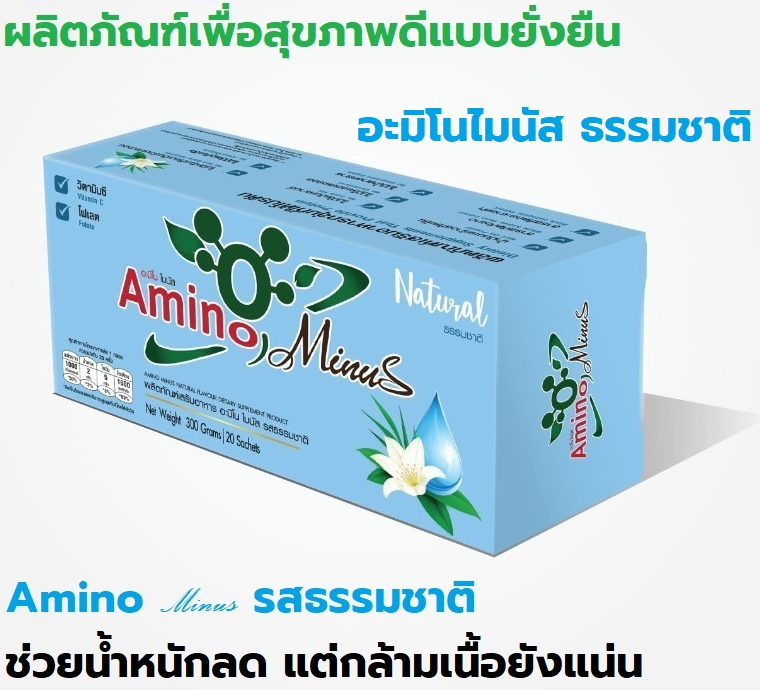
amino Minus ดั่งเดิม 890 บาท
ความสัมพันธ์ระหว่างโรคไม่ติดต่อเรื้อรัง (NCDs) กับโปรตีน
ภาษาไทย
โรคไม่ติดต่อเรื้อรัง (Non-communicable diseases: NCDs) เป็นกลุ่มของโรคที่ไม่ได้เกิดจากการติดเชื้อ แต่เป็นผลมาจากพฤติกรรมและปัจจัยเสี่ยงต่าง ๆ เช่น การบริโภคอาหารที่ไม่เหมาะสม การขาดการออกกำลังกาย การสูบบุหรี่ และการดื่มแอลกอฮอล์ โรคเหล่านี้รวมถึงโรคหัวใจ โรคเบาหวาน โรคมะเร็ง และโรคปอดเรื้อรัง หนึ่งในปัจจัยสำคัญที่เกี่ยวข้องกับ NCDs คือการบริโภคโปรตีน ซึ่งมีความสำคัญต่อการเจริญเติบโตและการทำงานของร่างกาย แต่การบริโภคโปรตีนที่ไม่เหมาะสมอาจเป็นปัจจัยเสี่ยงที่ส่งผลให้เกิด NCDs ได้ บทความนี้จะสำรวจความสัมพันธ์ระหว่าง NCDs กับการบริโภคโปรตีน
โปรตีนเป็นสารอาหารที่มีความสำคัญต่อร่างกายมนุษย์ ทำหน้าที่เป็นโครงสร้างหลักของเซลล์และเนื้อเยื่อต่าง ๆ รวมถึงมีบทบาทในการสร้างเอนไซม์ ฮอร์โมน และสารภูมิคุ้มกัน นอกจากนี้โปรตีนยังมีความสำคัญต่อการเจริญเติบโตและการซ่อมแซมเนื้อเยื่อเสียหาย แต่การบริโภคโปรตีนที่ไม่เหมาะสม เช่น การบริโภคโปรตีนที่มีไขมันสูง หรือการบริโภคโปรตีนมากเกินไป อาจส่งผลให้เกิดโรค NCDs ได้
โปรตีนกับโรคหัวใจ อะมิโนวิต หมอบุญชัย
การบริโภคโปรตีนจากแหล่งที่มีไขมันสูง เช่น เนื้อแดง เนื้อสัตว์แปรรูป สามารถเพิ่มความเสี่ยงต่อการเกิดโรคหัวใจและหลอดเลือด การบริโภคไขมันอิ่มตัวและคอเลสเตอรอลสูงสามารถทำให้หลอดเลือดตีบและเพิ่มความเสี่ยงของโรคหลอดเลือดหัวใจ ในทางกลับกัน การบริโภคโปรตีนจากพืช เช่น ถั่ว ธัญพืช และโปรตีนจากปลา สามารถช่วยลดความเสี่ยงของโรคหัวใจได้
โปรตีนกับโรคเบาหวาน
การบริโภคโปรตีนที่มีไขมันสูงสามารถส่งผลให้เกิดภาวะดื้อต่ออินซูลิน ซึ่งเป็นปัจจัยสำคัญที่ทำให้เกิดโรคเบาหวานชนิดที่ 2 การบริโภคโปรตีนจากพืชและปลาสามารถช่วยปรับปรุงการตอบสนองของอินซูลินและลดความเสี่ยงของโรคเบาหวานได้
โปรตีนกับโรคมะเร็ง
การบริโภคเนื้อแดงและเนื้อสัตว์แปรรูปมีความสัมพันธ์กับการเพิ่มความเสี่ยงของโรคมะเร็งบางชนิด เช่น มะเร็งลำไส้ใหญ่ การบริโภคโปรตีนจากพืชสามารถช่วยลดความเสี่ยงของโรคมะเร็งได้เนื่องจากมีสารต้านอนุมูลอิสระและสารอาหารที่มีประโยชน์อื่น ๆ
โปรตีนกับโรคไต
การบริโภคโปรตีนมากเกินไปสามารถทำให้ไตทำงานหนักขึ้นและเพิ่มความเสี่ยงของโรคไตเรื้อรัง การบริโภคโปรตีนในปริมาณที่เหมาะสมและเลือกโปรตีนจากพืชสามารถช่วยลดภาระของไตและป้องกันโรคไตได้
การบริโภคโปรตีนอย่างเหมาะสม
เพื่อป้องกันโรค NCDs ควรเลือกบริโภคโปรตีนจากแหล่งที่ดี เช่น ปลา ถั่ว ธัญพืช และเนื้อสัตว์ที่มีไขมันต่ำ นอกจากนี้ควรบริโภคโปรตีนในปริมาณที่เหมาะสมตามคำแนะนำของผู้เชี่ยวชาญด้านสุขภาพ และควรมีการออกกำลังกายอย่างสม่ำเสมอ ร่วมกับการดูแลสุขภาพในด้านอื่น ๆ เช่น การหลีกเลี่ยงการสูบบุหรี่และการดื่มแอลกอฮอล์
บทสรุป อะมิโนวิต หมอบุญชัย
การบริโภคโปรตีนมีบทบาทสำคัญในการดูแลสุขภาพ แต่การบริโภคโปรตีนที่ไม่เหมาะสมสามารถเพิ่มความเสี่ยงของโรคไม่ติดต่อเรื้อรังได้ การเลือกบริโภคโปรตีนจากแหล่งที่ดีและในปริมาณที่เหมาะสม ร่วมกับการดูแลสุขภาพในด้านอื่น ๆ จะช่วยลดความเสี่ยงของโรค NCDs และส่งเสริมสุขภาพที่ดีในระยะยาว
Article: The Relationship Between NCDs and Protein Intake
English
Introduction
Non-communicable diseases (NCDs) are a group of chronic diseases that are not caused by infections but result from various lifestyle factors and risks, such as poor diet, lack of exercise, smoking, and alcohol consumption. These diseases include heart disease, diabetes, cancer, and chronic respiratory diseases. One of the critical factors related to NCDs is protein intake. Protein is essential for growth and body functions, but improper protein consumption can be a risk factor for developing NCDs. This article explores the relationship between NCDs and protein intake.
The Importance of Protein in the Body
Protein is a vital nutrient for the human body, serving as the primary building block of cells and tissues. It plays a crucial role in the creation of enzymes, hormones, and immune substances. Additionally, protein is essential for growth and the repair of damaged tissues. However, improper protein consumption, such as high-fat protein sources or excessive protein intake, can contribute to the development of NCDs.
Protein and Heart Disease อะมิโนวิต หมอบุญชัย
Consuming protein from high-fat sources, such as red meat and processed meats, can increase the risk of heart disease and cardiovascular conditions. High intake of saturated fats and cholesterol can lead to atherosclerosis and heightened risk of heart disease. Conversely, consuming protein from plant sources, such as beans, grains, and fish, can help reduce the risk of heart disease.
Protein and Diabetes
High-fat protein intake can contribute to insulin resistance, a major factor in the development of type 2 diabetes. Consuming protein from plants and fish can improve insulin response and reduce the risk of diabetes.
Protein and Cancer
Consumption of red and processed meats is associated with an increased risk of certain cancers, such as colorectal cancer. Plant-based proteins can help lower the risk of cancer due to their antioxidant properties and other beneficial nutrients.
Protein and Kidney Disease
Excessive protein intake can overburden the kidneys and increase the risk of chronic kidney disease. Consuming appropriate amounts of protein and choosing plant-based proteins can help reduce kidney stress and prevent kidney disease.
Appropriate Protein Consumption อะมิโนวิต หมอบุญชัย
To prevent NCDs, it is important to choose protein from good sources, such as fish, beans, grains, and low-fat meats. Additionally, consuming protein in appropriate amounts as recommended by health professionals is crucial. Regular physical activity and maintaining overall health, such as avoiding smoking and limiting alcohol consumption, are also important.
Conclusion
Protein intake plays a significant role in maintaining health, but improper protein consumption can increase the risk of non-communicable diseases. Choosing protein from healthy sources and consuming it in appropriate amounts, along with other health maintenance practices, can help reduce the risk of NCDs and promote long-term health.
