คนเป็นโรคไต NCDs กับทุเรียน: อยากกินแต่ต้องระวัง ทำยังไงดี?
สำหรับผู้ป่วยโรคไต ไม่ว่าจะเป็นโรคไตที่เกิดจากภาวะไม่ติดต่อเรื้อรัง (NCDs) เช่น เบาหวาน ความดันโลหิตสูง หรือโรคไตจากสาเหตุอื่น ๆ การควบคุมอาหารเป็นหัวใจสำคัญของการรักษาและชะลอความเสื่อมของไต แต่จะทำอย่างไรเมื่อเจอ “ทุเรียน” ผลไม้ที่หลายคนโปรดปราน แต่ขึ้นชื่อเรื่องสารอาหารที่ผู้ป่วยไตต้องระวังเป็นพิเศษ? บทความนี้จะไขข้อข้องใจว่าทำไมทุเรียนถึงเป็นสิ่งที่ต้องระวังสำหรับคนเป็นโรคไต และหากอยากกินจริงๆ จะมีวิธีจัดการอย่างไรให้ปลอดภัยที่สุด โดยอ้างอิงหลักโภชนาการ และคำแนะนำจากผู้เชี่ยวชาญอย่าง หมอบุญชัย รวมถึงบทบาทของผลิตภัณฑ์เสริมอาหารอย่าง อะมิโนพลัส หรือ อะมิโนวิต ที่ควรใช้อย่างระมัดระวัง
ทำไมทุเรียนถึงเป็น “ผลไม้ต้องห้าม” สำหรับคนเป็นโรคไต?
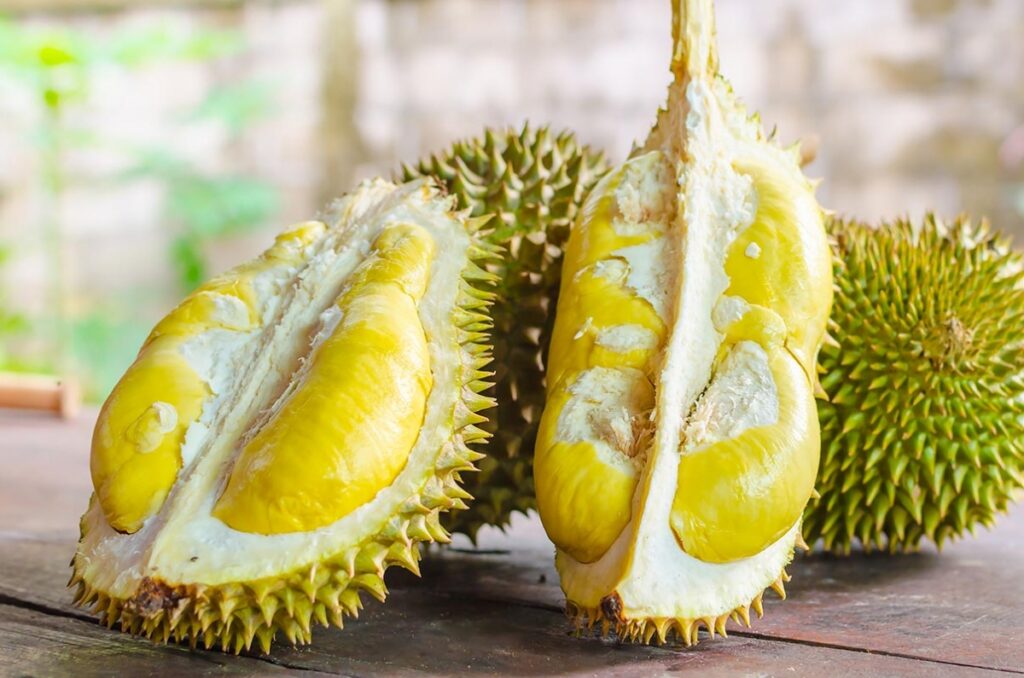
ทุเรียนเป็นผลไม้ที่มีรสชาติอร่อยและมีคุณค่าทางโภชนาการสูง แต่ในขณะเดียวกันก็เป็นแหล่งของสารอาหารบางชนิดที่อาจเป็นอันตรายต่อผู้ป่วยโรคไตได้ โดยเฉพาะอย่างยิ่งในผู้ป่วยที่มีภาวะไตวายแล้ว:
- โพแทสเซียมสูงมาก: นี่คือเหตุผลหลักที่ทำให้ทุเรียนเป็นผลไม้ที่ผู้ป่วยโรคไตต้องระวังอย่างยิ่ง ทุเรียนจัดอยู่ในกลุ่มผลไม้ที่มี โพแทสเซียมสูง มาก (เช่น ทุเรียนหมอนทอง 100 กรัม อาจมีโพแทสเซียมสูงถึง 400-600 มิลลิกรัม) เมื่อไตทำงานได้ไม่เต็มที่ ความสามารถในการขับโพแทสเซียมส่วนเกินออกจากร่างกายจะลดลง การสะสมของโพแทสเซียมในเลือดสูง (ภาวะ Hyperkalemia) เป็นอันตรายอย่างยิ่ง เพราะอาจทำให้เกิดอาการหัวใจเต้นผิดจังหวะ อ่อนแรง กล้ามเนื้อเป็นอัมพาต และอาจเป็นอันตรายถึงชีวิตได้ในกรณีรุนแรง
- พลังงานและน้ำตาลสูง: ทุเรียนมีพลังงานและน้ำตาลสูงมาก ซึ่งอาจส่งผลเสียต่อผู้ป่วย โรคไต NCDs ที่มักมีภาวะเบาหวานหรือความดันโลหิตสูงร่วมด้วย การบริโภคน้ำตาลและพลังงานส่วนเกินจะทำให้น้ำตาลในเลือดสูงขึ้น ควบคุมเบาหวานได้ยากขึ้น และอาจส่งผลต่อการสะสมไขมัน ทำให้ภาวะไตแย่ลง
- ฟอสฟอรัสสูง (ในบางกรณี): แม้จะไม่เท่ากับโพแทสเซียม แต่ทุเรียนก็มีฟอสฟอรัสในระดับหนึ่ง ซึ่งผู้ป่วยโรคไตจำเป็นต้องควบคุมเช่นกัน
ด้วยเหตุผลเหล่านี้ หมอบุญชัย และนักโภชนาการผู้เชี่ยวชาญด้านโรคไตทุกคนจึงมักแนะนำให้ผู้ป่วยโรคไตหลีกเลี่ยงการบริโภคทุเรียนอย่างเด็ดขาด หรือจำกัดปริมาณอย่างเข้มงวดมากๆ
อยากกินทุเรียนมากๆ… ทำยังไงดี? (ถ้าไตยังไม่เสื่อมรุนแรง)
แม้จะเป็นผลไม้ที่ต้องระวัง แต่หากคุณเป็นผู้ป่วย โรคไต NCDs ที่ยังอยู่ในระยะแรก ๆ (เช่น ระยะที่ 1-2) และยังคงมีความปรารถนาอย่างแรงกล้าที่จะลิ้มรสทุเรียนจริงๆ มีข้อแนะนำที่ต้องพิจารณาอย่างรอบคอบและทำตามอย่างเคร่งครัด:
- ปรึกษาแพทย์และนักโภชนาการก่อนเสมอ: นี่คือสิ่งสำคัญที่สุด! หมอบุญชัย หรือทีมแพทย์ที่ดูแลคุณจะเป็นผู้เดียวที่สามารถประเมินสภาพไตของคุณได้ว่า สามารถอนุญาตให้ทานทุเรียนได้หรือไม่ และในปริมาณเท่าใด โดยพิจารณาจากค่าโพแทสเซียมในเลือดปัจจุบัน ระดับการทำงานของไต และโรคประจำตัวอื่นๆ
- ปริมาณที่น้อยที่สุด: หากแพทย์อนุญาต ปริมาณที่แนะนำคือ “ชิม” เพียงเล็กน้อยเท่านั้น อาจจะแค่ 1 พูเล็กๆ ไม่ใช่การทานเป็นลูกหรือหลายพู การทานทุเรียนในปริมาณที่น้อยมากๆ จะช่วยลดปริมาณโพแทสเซียมที่เข้าสู่ร่างกาย
- นานๆ ครั้ง: ไม่ใช่ทานทุกวันหรือทุกสัปดาห์ ควรทานนานๆ ครั้ง อาจจะแค่ 1-2 ครั้งต่อฤดูกาลเท่านั้น
- หลีกเลี่ยงอาหารโพแทสเซียมสูงอื่นๆ ในวันนั้น: หากตัดสินใจจะทานทุเรียนในวันนั้น ควรหลีกเลี่ยงการบริโภคอาหารหรือผลไม้ชนิดอื่นๆ ที่มีโพแทสเซียมสูง เพื่อลดปริมาณรวมของโพแทสเซียมที่ร่างกายต้องจัดการ
- ไม่ควรทานในระยะไตวายเรื้อรังรุนแรง: ผู้ป่วย โรคไต NCDs ในระยะที่ 3b, 4, 5 (ไตวายเรื้อรัง) ควรหลีกเลี่ยงทุเรียนอย่างเด็ดขาด เพราะความเสี่ยงของภาวะโพแทสเซียมในเลือดสูงนั้นอันตรายถึงชีวิตได้
ความเข้าใจผิด: ต้มทุเรียนแล้วโพแทสเซียมลดลง? มีความเชื่อว่าการนำทุเรียนไปต้มจะช่วยลดปริมาณโพแทสเซียมได้บ้าง แต่ในความเป็นจริง การลดลงมีเพียงเล็กน้อยเท่านั้น และยังคงมีปริมาณโพแทสเซียมที่สูงมากอยู่ดี ดังนั้น วิธีนี้จึงไม่แนะนำสำหรับผู้ป่วยโรคไต
บทบาทของ อะมิโนพลัส และ อะมิโนวิต ในผู้ป่วยโรคไต (ใช้ด้วยความระมัดระวังสูงสุด!)
สำหรับผู้ป่วย โรคไต NCDs การใช้ผลิตภัณฑ์เสริมอาหารใดๆ ก็ตาม ไม่ว่าจะเป็น #อะมิโนพลัส ที่เน้นกรดอะมิโนเข้มข้น หรือ #อะมิโนวิต ที่มีกรดอะมิโนพร้อมวิตามิน จะต้องอยู่ภายใต้การดูแลและคำแนะนำของแพทย์และนักโภชนาการเท่านั้น ห้ามตัดสินใจซื้อมาทานเองเด็ดขาด!
- ความเสี่ยงจากการใช้ผิดประเภท: การได้รับโปรตีนหรือกรดอะมิโนมากเกินไปในผู้ป่วยโรคไต อาจเพิ่มภาระการทำงานของไตในการกำจัดของเสียไนโตรเจน ซึ่งจะส่งผลให้ไตเสื่อมเร็วขึ้นได้
- แร่ธาตุที่แฝงมา: ผลิตภัณฑ์เสริมอาหารบางชนิดอาจมีแร่ธาตุ เช่น โพแทสเซียม หรือฟอสฟอรัส ในปริมาณที่ผู้ป่วยไตต้องระวัง
- การใช้ที่ถูกต้อง: หมอบุญชัย มักจะแนะนำว่า อะมิโนพลัส หรือ อะมิโนวิต อาจถูกพิจารณาใช้ในผู้ป่วยไตบางรายที่มีภาวะขาดสารอาหารรุนแรงจริงๆ และต้องเป็นสูตรเฉพาะสำหรับผู้ป่วยไต (Kidney-specific formula) ที่แพทย์สั่งเท่านั้น เพื่อให้มั่นใจว่าผู้ป่วยได้รับกรดอะมิโนจำเป็นในปริมาณที่ควบคุมได้ และลดการสร้างของเสีย
การป้องกันโรคไต NCDs และการดูแลโภชนาการ:
สิ่งสำคัญที่สุดคือการป้องกันและควบคุมปัจจัยเสี่ยงของ โรคไต NCDs ตั้งแต่เนิ่นๆ หากคุณเป็นเบาหวานหรือความดันโลหิตสูง ควรควบคุมระดับน้ำตาลและความดันให้อยู่ในเกณฑ์ปกติอย่างเคร่งครัด
- โภชนาการที่สมดุล: เน้นอาหารสด ลดเค็ม ลดหวาน ลดไขมันอิ่มตัว ทานผักใบเขียวที่ไม่ใช่ผักโพแทสเซียมสูง ผลไม้ที่โพแทสเซียมต่ำ
- ดื่มน้ำเปล่าให้เพียงพอ: ช่วยให้ไตทำงานได้ดี
- ออกกำลังกายสม่ำเสมอ: ช่วยควบคุมน้ำหนักและความดันโลหิต
- ตรวจสุขภาพไตประจำปี: โดยเฉพาะผู้ที่มีความเสี่ยงสูง ควรตรวจเลือด (ค่า Cr, eGFR) และปัสสาวะ (Microalbuminuria) อย่างน้อยปีละครั้ง เพื่อเฝ้าระวังและรับมือได้ทันท่วงที
สรุป
ทุเรียนเป็นผลไม้ที่ให้โทษมากกว่าประโยชน์สำหรับผู้ป่วย โรคไต NCDs โดยเฉพาะอย่างยิ่งผู้ป่วยที่มีภาวะไตวายแล้ว เนื่องจากมี โพแทสเซียมสูง มาก การบริโภคทุเรียนอาจนำไปสู่ภาวะโพแทสเซียมในเลือดสูงที่เป็นอันตรายถึงชีวิตได้ หากมีความต้องการอย่างแรงกล้าที่จะลิ้มลอง ควรปรึกษา หมอบุญชัย หรือนักโภชนาการอย่างเคร่งครัด และทำตามคำแนะนำเรื่องปริมาณอย่างไม่มีเงื่อนไข
การใช้ อะมิโนพลัส หรือ อะมิโนวิต ในผู้ป่วยโรคไต ต้องอยู่ภายใต้การดูแลของแพทย์เท่านั้น เพื่อความปลอดภัยสูงสุด เพราะการดูแลโภชนาการที่ถูกต้องและแม่นยำคือสิ่งสำคัญที่สุดในการช่วยรักษาและชะลอความเสื่อมของไตครับ
Kidney Disease (NCDs) and Durian: How to Indulge if You Love It?
For kidney disease patients, including those with conditions arising from NCDs like diabetes or hypertension, strict dietary control is crucial for treatment and slowing kidney deterioration. But what about durian, a beloved fruit notorious for nutrients that kidney patients must cautiously avoid? This article will explain why durian poses a risk for kidney patients and, if you absolutely must indulge, how to do so as safely as possible. We’ll reference nutritional principles and expert advice from Dr. Boonchai, as well as the cautious role of supplements like AminoPlus or Aminovit.
Why is Durian a “Forbidden Fruit” for Kidney Patients?
Durian is delicious and nutritious, but it’s also a source of nutrients that can harm kidney patients, especially those with kidney failure:
- Extremely High Potassium: This is the primary reason for caution. Durian is very high in potassium (e.g., 100g of Mon Thong durian can have 400-600mg of potassium). When kidneys are impaired, their ability to excrete excess potassium decreases. High blood potassium (Hyperkalemia) is extremely dangerous, potentially causing irregular heartbeat, weakness, paralysis, and even death in severe cases.
- High Energy and Sugar: Durian is very high in energy and sugar, which can negatively impact kidney NCDs patients who often have co-existing diabetes or hypertension. Excess sugar and calories raise blood sugar, make diabetes harder to control, and can lead to fat accumulation, worsening kidney conditions.
- Moderate Phosphorus (in some cases): While not as high as potassium, durian contains some phosphorus, which kidney patients also need to control.
For these reasons, Dr. Boonchai and kidney dietitians strongly advise kidney patients to avoid durian or limit it very strictly.
Craving Durian? What to Do? (If Kidney Damage Isn’t Severe)
If you have early-stage kidney NCDs (e.g., Stages 1-2) and an intense craving for durian, careful consideration and strict adherence to these recommendations are vital:
- Always Consult Your Doctor and Dietitian: This is paramount! Dr. Boonchai or your medical team can assess your kidney function to determine if you can have durian, and in what precise quantity, based on your current blood potassium levels, kidney function, and other comorbidities.
- Minimal Quantity: If permitted, the recommendation is to “taste” only a very small amount – perhaps just one tiny pod, not a whole fruit or multiple pods. This minimizes potassium intake.
- Very Infrequent: Not daily or weekly. Perhaps only 1-2 times per season.
- Avoid Other High-Potassium Foods on That Day: If you choose to eat durian, avoid other high-potassium foods or fruits to reduce the total potassium load on your kidneys.
- Strict Avoidance in Severe CKD: Patients with kidney NCDs in Stages 3b, 4, or 5 (chronic kidney failure) should strictly avoid durian, as the risk of life-threatening hyperkalemia is too high.
Misconception: Does boiling durian reduce potassium? While boiling might slightly reduce potassium, the remaining amount is still very high and unsafe for kidney patients. This method is not recommended.
The Role of AminoPlus and Aminovit in Kidney Patients (Use with Maximum Caution!)
For kidney NCDs patients, using any supplements, including #AminoPlus (concentrated amino acids) or #Aminovit (amino acids with vitamins), must be strictly under the supervision and guidance of a doctor and dietitian. Never self-prescribe!
- Risk of Misuse: Excessive protein or amino acid intake in patients with impaired kidneys can increase the burden on kidneys to excrete nitrogenous waste, potentially accelerating kidney deterioration.
- Hidden Minerals: Some supplements might contain minerals like potassium or phosphorus in amounts that kidney patients need to avoid.
- Correct Use: Dr. Boonchai would typically advise that AminoPlus or Aminovit might be considered for select kidney patients with severe malnutrition, and only in a kidney-specific formula prescribed by a doctor. This ensures controlled intake of essential amino acids and minimizes waste production.
Preventing Kidney NCDs and Nutritional Care:
The most crucial aspect is preventing and controlling risk factors for kidney NCDs early on. If you have diabetes or hypertension, strictly control your blood sugar and blood pressure.
- Balanced Nutrition: Focus on fresh foods, reduce salt, sugar, and saturated fats. Eat low-potassium green leafy vegetables and low-potassium fruits.
- Adequate Water Intake: Helps kidneys function well.
- Regular Exercise: Helps manage weight and blood pressure.
- Annual Kidney Check-ups: Especially for high-risk individuals, blood tests (Cr, eGFR) and urine tests (Microalbuminuria) should be done at least annually for early detection and intervention.
Conclusion
Durian is a fruit that poses more risks than benefits for kidney NCDs patients, especially those with existing kidney failure, due to its high potassium content. Consuming durian can lead to life-threatening hyperkalemia. If you have an intense craving, you must consult Dr. Boonchai or a dietitian strictly and adhere to their quantity recommendations without exception.
The use of AminoPlus or Aminovit in kidney patients must be under medical supervision only for maximum safety. Accurate and precise nutritional care is the most critical factor in helping to preserve and slow down kidney deterioration.
#โรคไตNCDs #ทุเรียนกับโรคไต #อาหารโรคไต #โพแทสเซียมสูง #หมอบุญชัย #อะมิโนพลัส #อะมิโนวิต #โรคไต #อาหารต้องห้าม #สุขภาพไต #ดูแลโภชนาการ
